
The Economic Value of Proactive Home Asset Maintenance
Homeownership is frequently approached through the lens of lifestyle preference or long-term housing security, yet it is fundamentally a significant capital investment. When individuals view their residence not just as a place to live, but as a core component of their personal financial portfolio, the perspective on maintenance shifts dramatically. Rather than viewing repairs and property improvements as discretionary expenses or chores to be completed when something breaks, proactive owners recognize them as critical steps in preserving and enhancing the value of their primary asset. By implementing a systematic approach to care, owners can mitigate the risks of major, costly repairs and ensure that the property remains a reliable source of wealth over the long term.
Understanding Your Home as a Capital Asset
The financial foundation of any property relies on the ongoing preservation of its physical structure. Just as a business must invest in the upkeep of its machinery and facilities to maintain operational efficiency and market value, a homeowner must treat their residence with a similar level of fiscal responsibility. Neglecting basic maintenance often leads to a phenomenon akin to asset depreciation, where the condition of the property declines, necessitating extensive and expensive remedial work. Conversely, consistent attention to the condition of the structure—including roofing, plumbing, electrical systems, and the overall building envelope—prevents minor issues from escalating into major liabilities that could threaten the total valuation of the home.
Viewing the home as an asset class requires a shift in mindset from passive ownership to active management. This involves understanding that every component of the house has a finite functional lifespan. Proactive management entails tracking the age and condition of these components and planning for their replacement before failure occurs. This anticipatory strategy allows the homeowner to manage cash flow more effectively, avoiding the financial shock of emergency repairs that often arise at the most inconvenient times. By prioritizing the health of the infrastructure, the homeowner effectively protects their equity and maintains the property’s attractiveness in the broader market.
Strategic Planning for Property Maintenance
Effective asset management is predicated on the ability to organize and execute tasks in a structured manner. A disorganized approach to home maintenance often leads to missed opportunities for optimization and an increased likelihood of overlooking critical structural issues. Developing a comprehensive maintenance plan allows for a more predictable allocation of both time and resources, which is essential for maintaining financial equilibrium while managing the complexities of home ownership. A well-constructed strategy considers the seasonal demands of the property, the specific age of its mechanical systems, and the long-term objectives for the space.
A systematic audit of the home is the cornerstone of this strategic planning process. By periodically reviewing every functional area of the property, owners can identify emerging trends in wear and tear before they necessitate immediate attention. Consider the following steps when building your maintenance strategy:
- Perform a comprehensive structural review at the beginning of each season to identify potential vulnerabilities.
- Create a digital or physical inventory of all major mechanical systems to track their service history and projected lifespans.
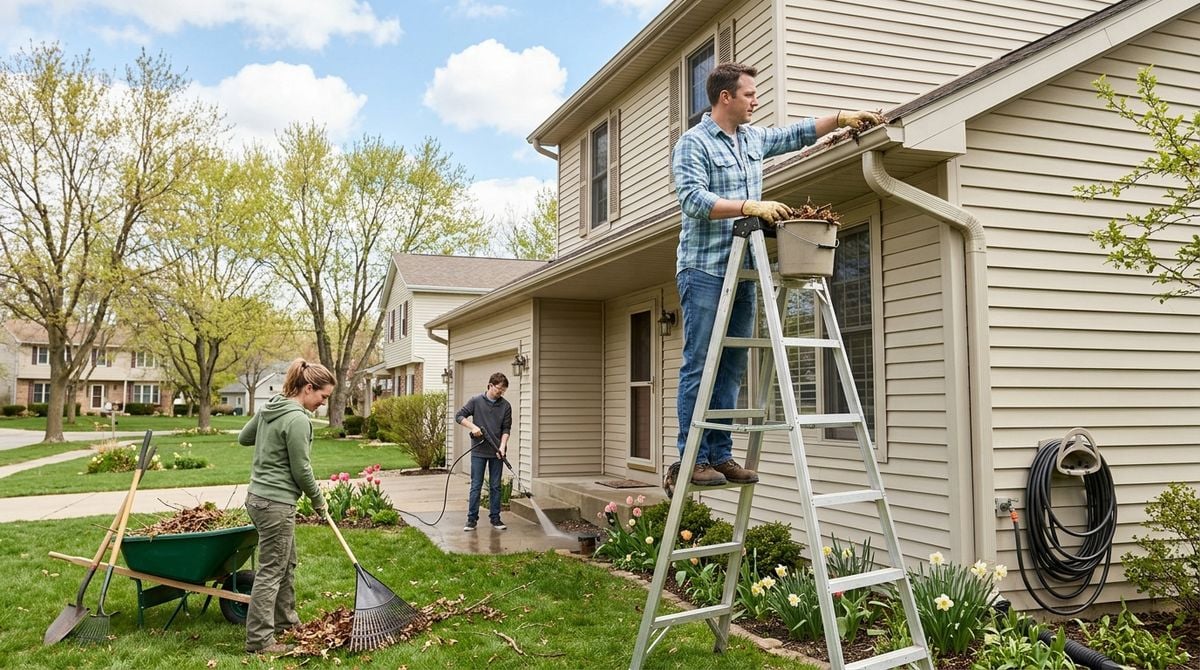
- Establish a recurring schedule for routine tasks such as cleaning gutters, inspecting insulation, and testing safety mechanisms.
- Budget specifically for anticipated repairs and upgrades based on the projected lifespan of various home components.
- Consult with qualified professionals for specialized inspections that go beyond the scope of routine homeowner assessments.
Enhancing Utility and Aesthetic Appeal
While structural integrity is the priority for preserving capital, the utility and aesthetic appeal of a home play a crucial role in maintaining its market relevance and personal value. Upgrades that improve the functionality of a space often contribute to better living standards and can enhance the property’s overall desirability. It is important to approach these improvements with a clear understanding of the return on investment, focusing on projects that provide both immediate utility and long-term value. Exploring resources like allhomedecors.com can provide valuable insights into how thoughtful design choices and functional upgrades can transform the living environment, making it more aligned with modern expectations without necessarily requiring extravagant capital outlay.
The goal is to align the property’s features with the evolving needs of the occupants while being mindful of broader market trends. Upgrades that optimize the use of existing space, improve energy efficiency, or update outdated fixtures can make a significant difference in how a property is perceived and experienced. By focusing on high-impact, functional enhancements rather than purely decorative changes, homeowners can make decisions that support both their daily lifestyle and their long-term financial objectives. This balanced approach ensures that capital is deployed where it is most effective, resulting in a home that remains both a comfortable dwelling and a robust financial asset.
Managing Upgrades and Repairs
The execution of maintenance and improvement projects requires a clear understanding of when to handle tasks independently and when to engage professional expertise. Many homeowners find that developing a foundational knowledge of how their home systems operate empowers them to perform routine tasks effectively, potentially reducing the frequency of professional service calls. For those looking to build their own skills in home improvement and renovation, leveraging expert guidance can be a major advantage. Platforms such as DIY Television offer practical advice and insights into the best practices for various upgrades, repairs, and the proper use of tools, which can help homeowners navigate common challenges with more confidence and precision.
Choosing to manage certain aspects of home maintenance personally can be a strategy for reducing ongoing costs, but it requires an honest assessment of one’s own capabilities and the potential risks involved. For major structural changes, complex electrical or plumbing work, or any task that could impact the safety of the residence, professional intervention is often the most prudent choice from a risk-management perspective. Effective project management—regardless of who is performing the labor—involves thorough planning, the selection of quality materials, and a focus on long-term durability. By prioritizing quality over speed or convenience, homeowners ensure that their investments in the property stand the test of time.
Integrating Property Value into Financial Goals
The management of a home as a capital asset should always be viewed through the lens of one’s broader financial plan. Just as diversified investment portfolios require regular rebalancing and assessment, the role of real estate within one’s financial strategy needs periodic evaluation. This involves considering how the property fits into long-term goals, such as retirement planning, portfolio diversification, or simply maximizing the utility of the space to support current financial growth. For instance, when analyzing the broader utility of a residential property, the approach discussed in maximizing your own rental space demonstrates that thinking creatively about how assets are utilized can reveal new pathways for growth, even for those not strictly in the real estate business. This type of strategic thinking is essential for anyone aiming to leverage their property to its full potential.
When financial goals change, the strategy for property management may need to adapt accordingly. Whether the objective is to eventually downsize, prepare the property for a future sale, or simply minimize ongoing holding costs while increasing the quality of life, the principles of proactive maintenance remain constant. Owners who consistently invest in the upkeep and intelligent enhancement of their homes are better positioned to respond to changes in their financial situation or the real estate market. The discipline of maintaining a home as a high-functioning asset eventually creates options, providing the owner with the flexibility to make choices that align with their evolving long-term financial vision.