
Leveraging Home Infrastructure for Sustained Financial Health
Home ownership represents a foundational component of many individual and family financial portfolios. Beyond its role as a primary residence, a home acts as a complex system of assets that requires consistent attention to maintain and enhance its long-term value. Managing this asset effectively goes beyond simple cosmetic updates; it involves a deep understanding of how various components—from structural systems to environmental controls—interact to create enduring worth. By approaching home management with the same analytical rigor applied to other financial assets, owners can better protect their investment and ensure it remains a reliable pillar of their broader financial strategy.
Understanding Home Systems as Capital Assets
Viewing a residence strictly through the lens of market fluctuations often leads to missed opportunities for value enhancement. Instead, it is more productive to consider the home as a collection of integrated systems, each requiring deliberate stewardship. The foundation, roofing, mechanical infrastructure, and energy systems collectively dictate the long-term viability of the asset. When one component fails or becomes obsolete, the overall performance and marketability of the property can decline.
Asset preservation begins with a holistic assessment. This means moving beyond reactive repairs and toward a model of preventative oversight. By identifying the lifecycle of core components, owners can anticipate necessary interventions before they become critical failures. This proactive stance prevents the erosion of equity and ensures that the property maintains its functional relevance in the eyes of future occupants or buyers.
Optimizing Operational Efficiency for Long-Term Savings
The operational costs associated with maintaining a home are a significant factor in its total cost of ownership. These costs, often overlooked until they become burdensome, have a direct impact on the net financial contribution of the asset. Improving the efficiency of essential systems—such as heating, cooling, and water management—is one of the most effective ways to stabilize these expenses. By reducing the resources required to operate the home, owners can indirectly increase their financial flexibility.
Improving the home environment requires a shift in how we approach daily living spaces. The way a household manages its energy consumption and its immediate surroundings significantly alters its long-term financial trajectory. Resources like electricmela.com offer guidance on how making fundamental adjustments to the home environment can support a more efficient and sustainable way of living. This focus on efficiency does not merely lower monthly overhead; it enhances the durability of the systems themselves by reducing unnecessary strain and wear, thereby extending their useful lifespan.
Environmental Harmony and Asset Integrity
The interior environment is more than just a matter of personal comfort; it is a critical factor in the physical preservation of the structure. Factors such as humidity control, air quality, and the strategic selection of materials all play a role in preventing premature degradation of surfaces and structural elements. A home that is carefully maintained and thoughtfully designed to manage its internal climate is less prone to the subtle damage that accumulates over time, such as moisture issues or material fatigue.
Achieving this harmony involves understanding the relationship between aesthetic choices and material performance. It is important to prioritize materials and design solutions that offer both visual appeal and robust functionality. Detailed resources such as Groliehome provide comprehensive insights into interior decoration and home care that help bridge the gap between style and practical longevity. By ensuring that the home remains not only attractive but also physically sound, owners protect the value embedded in the interior finishes and the structural elements they conceal.
Strategic Upgrades and Market Positioning
Not all improvements are equal when it comes to long-term value. The most effective upgrades are those that address fundamental needs while enhancing the appeal of the property in a way that aligns with market expectations. This is where the intersection of functional necessity and strategic design becomes paramount. Owners should focus on improvements that provide tangible benefits, such as enhanced energy performance, better spatial utility, or increased resilience against environmental factors.
It is important to weigh the potential for value growth against the permanence of the changes being implemented. As discussed in our previous analysis regarding the financial impact of strategic interior design choices, understanding the long-term utility and marketability of design-focused enhancements is essential. Strategic upgrades should be viewed as long-term capital investments that yield benefits through increased operational efficiency, reduced maintenance requirements, and improved market appeal, rather than as temporary expenses or aesthetic whims.
Key Areas for Strategic Focus
- Energy Systems: Upgrading to more efficient mechanical components to reduce long-term operational costs.
- Structural Envelope: Improving insulation and sealing to enhance both thermal performance and internal material protection.
- Adaptive Spaces: Reconfiguring layouts to maximize utility without compromising structural integrity.
- Material Selection: Opting for durable finishes that resist wear and maintain their aesthetic value over extended periods.
Proactive Maintenance as Wealth Preservation
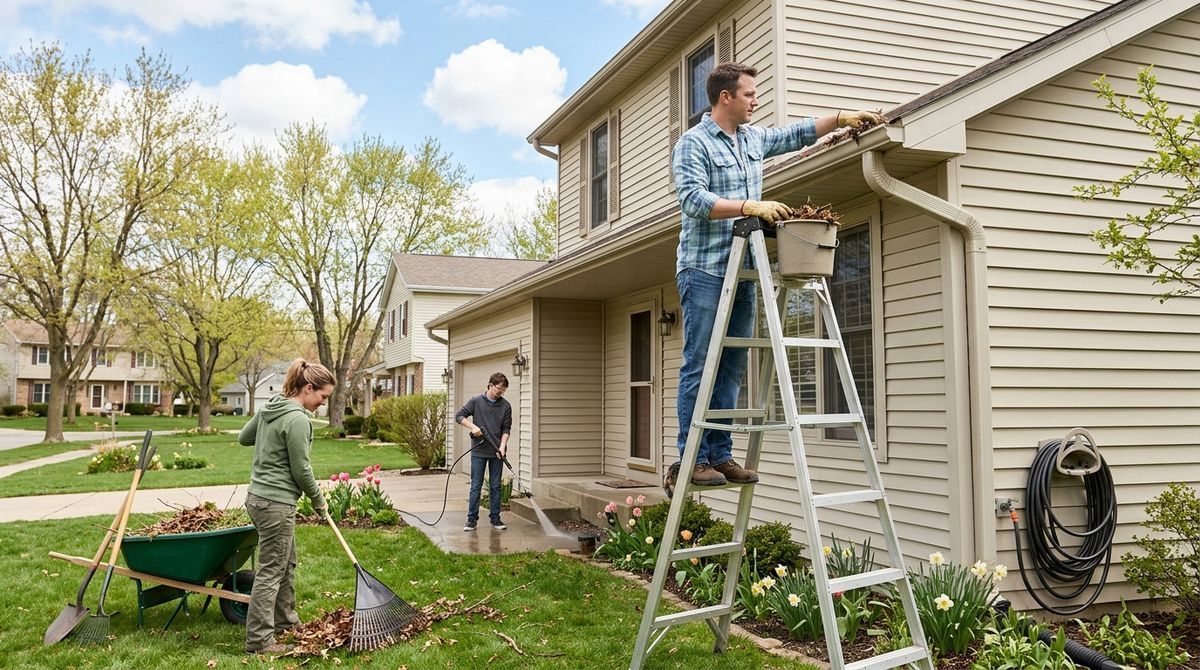
The final and perhaps most crucial element of protecting home equity is a disciplined approach to maintenance. Many homeowners view maintenance as an inconvenient obligation, but it is better understood as the primary mechanism for wealth preservation. Neglecting small, routine tasks can lead to larger, more costly repairs down the line, which can rapidly diminish the equity that has been carefully built.
Developing a consistent routine for auditing and servicing home systems is essential. This includes regularly checking mechanical components for signs of wear, inspecting the home envelope for moisture intrusion, and ensuring that all environmental control systems are functioning within their intended parameters. This disciplined approach ensures that the asset continues to operate at peak efficiency, protecting both the physical integrity of the structure and its overall financial value. By making maintenance a core component of household management, owners ensure that their home continues to serve its purpose as a reliable and appreciating asset over the long term.
Maintaining a residence requires a continuous commitment to oversight and thoughtful improvement. By prioritizing operational efficiency, environmental integrity, and a proactive approach to maintenance, homeowners can effectively shield their asset from unnecessary depreciation. This strategic perspective, which treats the home as an integral part of a broader financial portfolio, is the most reliable way to ensure that this vital asset continues to support personal and financial stability for years to come.