
How to become an entrepreneur — while you’re still in college
[ad_1]
As the founder and director of two entrepreneurship-focused programs at Stevens Institute of Technology, Launchpad and iSTEM, I have overseen the creation of 12 officially incorporated enterprises, with many more on the way. It took about three years to put our first company together, but now we launch a new company every three months. To maintain this efficiency, we need to identify the right students: the rulebreakers, risk-takers and obsessively passionate – like Kevin Barresi.
Kevin was a student of mine long before there was iSTEM/Launchpad, someone who embodied all the traits needed to be a successful entrepreneur. He just wanted to build a vastly superior browser in the beginning. When his creation took hold in the Stevens community, it made sense to look into starting a company. Ultimately, Kevin created iubble, which made it easy to discover, organize and share web content. In 2016, iubble was acquired by FinTech Studios for a seven-figure valuation, where he is now chief technology officer.
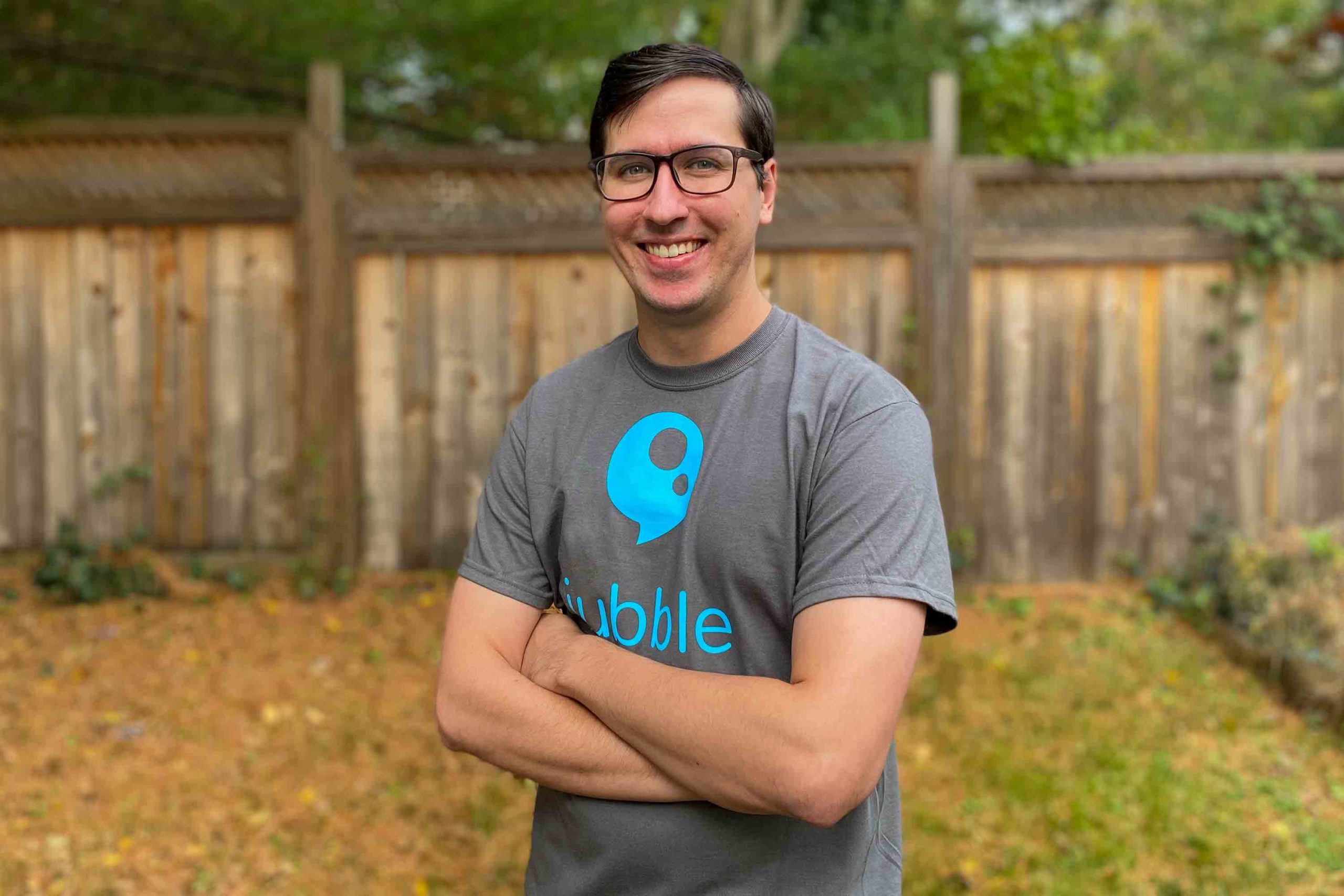
Kevin Barresi is a Stevens Institute of Technology graduate and founder of iUbble.
Source: Eliana Medina
Over the years, after working with Kevin, I’ve seen many talented students come and go, and I have noticed some attributes successful students tend to possess – and what skills they must hone – to succeed in entrepreneurship. Technology-adept obsessives are just a beginning. There are other characteristics that will help people achieve real success.
(1) Grit: Roadblocks are inevitable. Successful student-entrepreneurs are folks who never give up, are scrappy, and will always find a way to make something happen. These people do not make excuses and somehow seem to just “get things done.” I have seen gifted technologists struggle without this quality, while watching folks with average skills build great companies due to their grit.
(2) Purity of motivationThe best entrepreneurs have never set out to build huge companies or make lots of money. Rather, they found an interesting problem, were compelled to solve it and bring this solution to lots of people. Starting a company is a natural progression in this journey. Folks driven solely by wanting to get-rich-quick fizzle out around six months.
(3) Long-term thinking: Rome wasn’t built in a day, a week, or even a semester. Neither was Apple, Facebook or Microsoft. At Launchpad and iSTEM programs, we aim to work with students for two to six years and try to build relationships for life. Only those who have a long-term vision will be successful. You simply have to show up every single day for multiple years and keep at it.
(4) Culture and recruitment: Hitting milestones, exceeding expectations, and growing a company are outcomes of great culture, but most first-time founders confuse culture with camaraderie. Culture isn’t “We meet all the time.” Culture is painting a vivid picture of a future that is yet to come, hiring great people and giving them autonomy, and creating an environment of accountability. Without culture, and a transparent compensation structure derived from that culture, it is impossible to attract and retain great talent. And you must be willing to hire and fire based on this culture.
(5) Big ideasMany good ideas start out crazy. Facebook was originally a social network site just for broke college students; Google was the 12th search engine; and you can imagine what an idea like letting random strangers stay in other random people’s homes sounds like on paper. Many great ideas are bad at the start. Most reasonable sounding ideas are actually bad ideas.
(6) Be creative in your thinking Think about your products and how you interact with your team. Consider whether your invention is sensitive to the needs of potential users. Be surrounded by coworkers with diverse backgrounds, as well as different ways of thinking. Building a team of people “just like you” will not open your mind to new ideas and possibilities.
Learn more College VoicesYou can find this link:
College students used Instagram to sell face masks and other products during the pandemic
Generation Hustle: Young entrepreneurs got creative during the pandemic
How I started my own successful YouTube channel reviewing tech products
How can I get started
If you have all these qualities, you might be wondering, “What do I need to do next?” Although having support systems like iSTEM and Launchpad can help, you do not need to be in an entrepreneurship program to build your own business. Focus on creating something that is indispensable to a select few. Keep a pulse on the emerging trends in society and tech, as those are likely to hold true for at least a few years, and aspire to improve the lives of the people you wish to serve. Then, pursue that with a maniacal determination.
It will be a moment when you realise that it is impossible to do this alone. It’s okay to admit that you can’t do it alone. There may only be one CEO at a company but building a business from scratch is a team sport.
Keep your child in school
Young, outside-the-box thinkers have watched college dropouts like Steve Jobs, Mark Zuckerberg and Bill Gates become the world’s most successful entrepreneurs and, as a result, send a message that college does not help the entrepreneurial spirit prosper. However, those founders are outliers, and college has changed significantly since they were in school. If you are motivated and have the right mindset, college is a great place to help your dreams of becoming an entrepreneur.
College provides students with a network far superior to what they would have on their own, as well as a community to get their products off the ground. For example, Kevin’s iubble web browser was adopted by half of the Stevens campus before it was acquired. Finally, many colleges now have entrepreneurship programs which have knowledgeable professors to offer guidance and support, and young student-entrepreneurs should take advantage of these resources.
Programs for entrepreneurship and funding
If you do have the option to join an entrepreneurship program, you’ll want to do your research. Pick a program with a good track record and talk to people who went through it for a first-hand account. Picking a program is like picking a co-founder: you need to understand their values, long-term and short-term goals, network, and how they deal with success and failure.
Pick the best one for you. You are investing in your education, and not in a bank. You will need to be disciplined and focused if you’re not frugal. You’ll find investors and perseverance if your grit is true. You can apply to a wide variety of accelerator programs for start-ups, and some colleges/organizations have entrepreneurship competitions. Additionally, you can research companies that previously received funding from an investor or venture capital firm. You can reach out to the company to establish a rapport and ask them for a referral to an investor/VC firm.
At the end of the day, entrepreneurship is all about people: co-founders, customers and investors are all people. Products and technology are merely vehicles to move these three groups of people forward under one banner with a clear sense of purpose acting as your North Star.
Mukund Iyengar, Ph.D., is an associate professor at Stevens Institute of Technology. He is also the founder/director of two entrepreneurship-focused programs at the university — Launchpad@Stevens and iSTEM@Stevens.
[ad_2]