
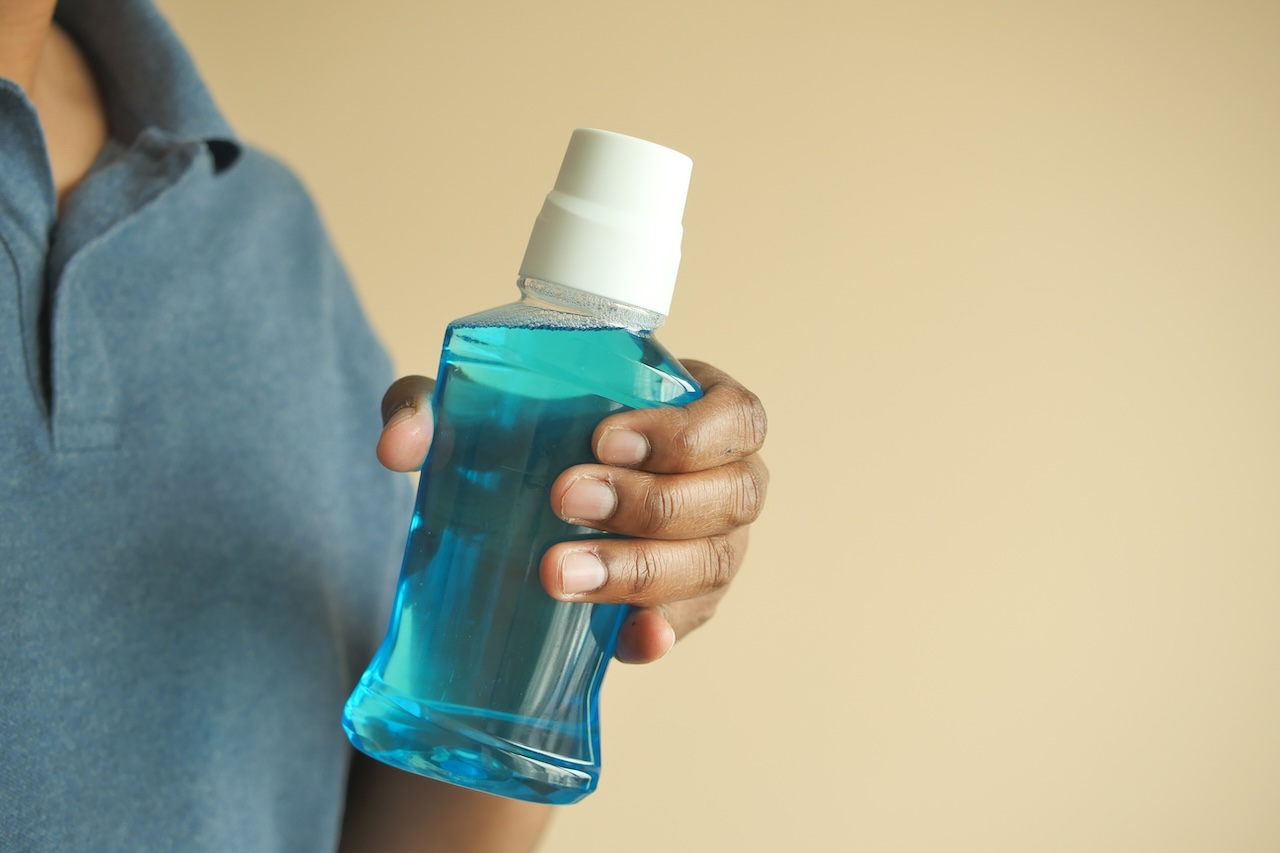
Is Mouthwash Necessary? What Dentists Really Think
Maintaining dental health often feels like navigating a grocery aisle stocked with a dizzying array of oral care products. Among these, mouthwash often sparks a heated debate: is it truly necessary, or is it just another embellishment to your daily routine? Dentists have weighed in, offering insights into when and why mouthwash might be right for you—and when you can safely skip it.
What Does Mouthwash Actually Do?
At its core, mouthwash is a liquid rinse designed to enhance oral hygiene. Depending on the brand and formulation, it can:
- Reduce bacteria in the mouth.
- Freshen breath by eliminating odors rather than just masking them.
- Help prevent plaque buildup.
- Address specific concerns like gum inflammation or sensitivity (in the case of specialized formulations).
However, while these benefits seem appealing, mouthwash is not a one-size-fits-all solution. Its effectiveness depends on your unique oral health needs and how you incorporate it into your daily routine.
Is Mouthwash a Replacement for Brushing and Flossing?
Dentists unanimously agree: Mouthwash is NOT a substitute for brushing and flossing.
- Brushing: When done correctly twice a day, brushing removes plaque and food particles from the tooth surface.
- Flossing: It targets debris lodged between the teeth and below the gum line, where mouthwash cannot easily reach.
Mouthwash serves as a complementary tool rather than a standalone safeguard for oral health. While it can offer benefits, neglecting brushing and flossing for a rinse will likely lead to bigger dental problems over time.
When Is Mouthwash Beneficial?
Mouthwash is particularly useful in the following scenarios:
- After Dental Surgery or for Gum Issues: Dentists may recommend an antimicrobial or alcohol-free mouthwash to aid recovery and reduce infection risks.
- For Chronic Bad Breath (
Halitosis): Therapeutic mouthwashes can effectively neutralize sulfur compounds that cause foul-smelling breath. - Fighting Cavities: Fluoride-infused mouthwashes strengthen enamel and offer extra protection against cavities when needed.
It’s essential to remember that your dentist or dental hygienist should guide you on the appropriate type of mouthwash for your specific condition.
What Are the Drawbacks of Mouthwash?
For some individuals, mouthwash might not always be necessary or suitable. Here are common concerns dentists raise:
- Temporary Freshness: Cosmetic mouthwashes, the kind marketed primarily for fresh breath, provide short-lived effects with minimal contribution to dental health.
- Overuse Risks: Excessive use can irritate oral tissues or, in rare cases, disrupt the natural balance of bacteria in the mouth.
- Alcohol Content: Certain mouthwashes containing alcohol may cause dry mouth for some users, an issue that can exacerbate bad breath in the long run.
Do Dentists Recommend Mouthwash?
The consensus among dental professionals is that mouthwash can be a helpful tool, but it is not crucial for everyone. Many individuals who maintain a meticulous brushing and flossing routine may not experience significant added benefits from using mouthwash daily.
However, for people with specific dental conditions, such as gum disease, tooth sensitivity, or halitosis, a dentist-recommended therapeutic mouthwash can serve as an essential part of their oral care arsenal.
The Final Verdict: Is Mouthwash Necessary?
The necessity of mouthwash boils down to personal oral health needs. If your dental routine already includes thorough brushing, diligent flossing, and regular dental visits, mouthwash might simply act as a supplemental step. For others with particular oral health concerns, it can provide targeted benefits, as long as it’s used correctly and consistently.
Ultimately, the best approach to oral hygiene is one that’s tailored to your needs, which is why consulting your dentist is so important. A personalized plan ensures you’re making the most out of every tool in your oral health kit—including mouthwash.