
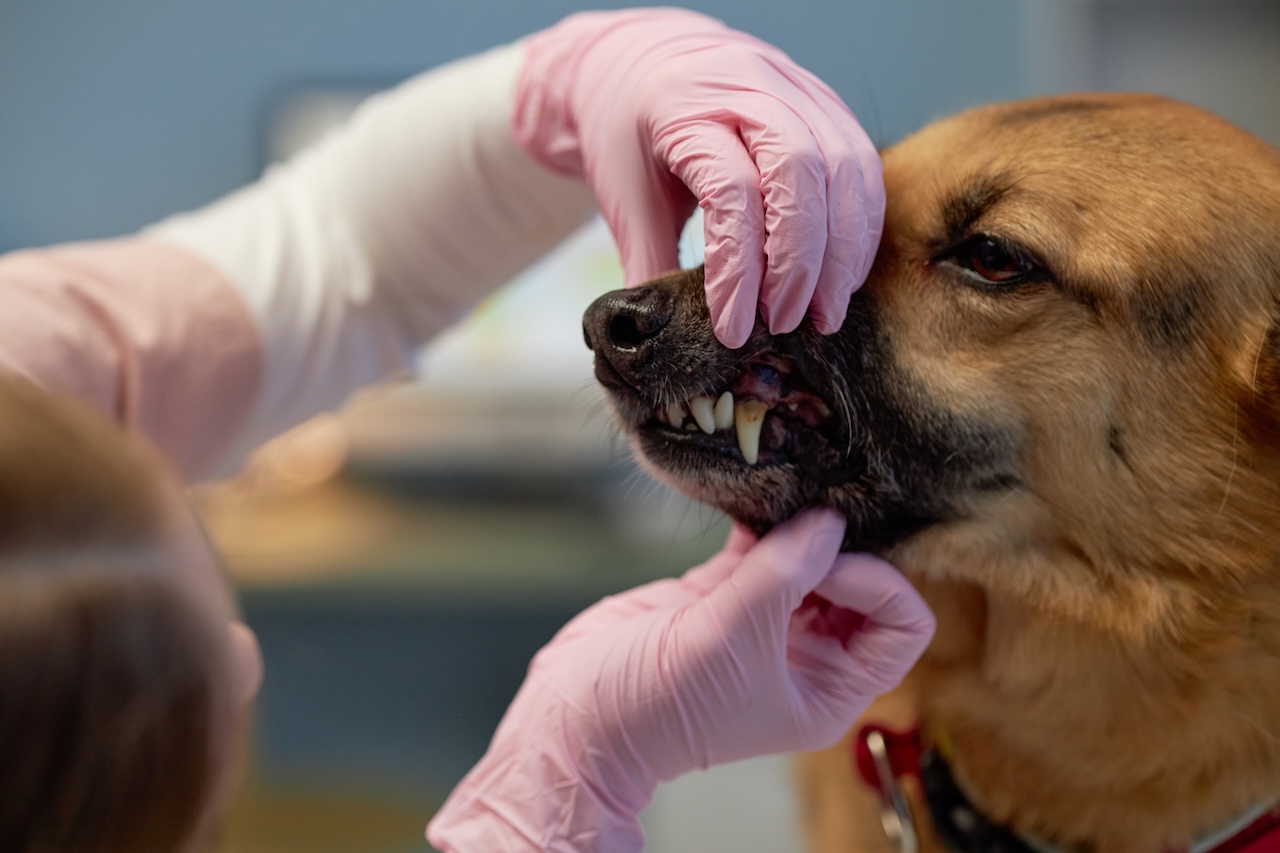
What Happens If You Ignore Your Pet’s Tartar Buildup
Dental care is a critical, though often overlooked, part of your pet’s overall health. Tartar, a hardened form of plaque, can accumulate on your pet’s teeth over time, leading to serious health issues if it isn’t addressed promptly. Ignoring tartar buildup may seem inconsequential at first, but the long-term consequences can negatively impact your furry friend’s life.
In this article, we explore what tartar buildup is, the risks of neglecting it, and why regular dental care for pets is essential.
What Is Tartar Buildup?
Tartar is essentially plaque that has hardened due to a lack of removal. Made up of food particles, bacteria, and minerals from saliva, this stubborn deposit adheres to the surface of teeth and is particularly challenging to remove without professional cleaning.
While plaque can be controlled relatively easily with regular brushing or dental chews, tartar requires specialized tools to eliminate it. Once tartar forms, it paves the way for a cascade of dental and systemic health issues in pets.
Risks of Ignoring Your Pet’s Tartar Buildup
Tartar buildup might seem like a small problem at first glance, but ignoring it can lead to serious consequences for your pet’s health.
1. Gum Disease and Tooth Loss
Tartar is a major contributor to gum disease (periodontal disease). As tartar spreads below the gumline, it irritates the gums and causes inflammation. Left untreated, this can progress to gingivitis and eventually result in receding gums, exposed tooth roots, and even the loss of teeth.
Pets suffering from gum disease also face discomfort during eating, which can lead to changes in their appetite or unhealthy weight loss.
2. Oral Infections and Bad Breath
Tartar fosters a breeding ground for harmful bacteria. This increases the likelihood of oral infections, abscesses, and foul-smelling breath—also known as halitosis. Bad breath isn’t just unpleasant; it’s often an early red flag that dental care is overdue.
3. Systemic Health Problems
If left untreated, the bacteria associated with tartar and gum disease can enter your pet’s bloodstream. This is known as bacteremia. Once in the bloodstream, these bacteria can travel to vital organs such as the heart, liver, and kidneys, potentially leading to life-threatening conditions.
4. Chronic Pain and Reduced Quality of Life
Dental pain may not be immediately obvious in pets, who are masters at hiding discomfort. However, advanced tartar buildup and gum disease can cause chronic pain, making it difficult for your pet to eat, play, or enjoy day-to-day activities. In turn, this reduces their overall quality of life.
How Can You Prevent Tartar Buildup?
Fortunately, tartar buildup is preventable with consistent dental care practices. Here’s what you can do to keep your pet’s teeth clean and healthy:
- Regular Brushing: Brushing your pet’s teeth with a pet-safe toothpaste removes plaque before it hardens into tartar.
- Dental Chews: Dental treats and chews are excellent for promoting oral health between brushing sessions.
- Professional Cleanings: Schedule regular dental cleanings with your veterinarian to remove tartar that can’t be eliminated at home.
- Routine Checkups: During annual veterinary visits, have your pet’s teeth assessed for early signs of tartar buildup or dental disease.
By maintaining a proactive approach to your pet’s dental health, you’ll not only prevent serious problems but also promote a longer, happier life for your furry companion.
The Bottom Line
Ignoring your pet’s tartar buildup isn’t just about bad breath or unsightly teeth—it’s about their overall health and well-being. Left unchecked, tartar can lead to gum disease, oral infections, systemic health problems, and a diminished quality of life.
Taking simple, proactive steps to manage your pet’s dental care can protect them from discomfort and potentially save their life. Consult your veterinarian today to create a dental care plan tailored to your pet’s needs.
A healthy mouth contributes to a healthy pet, so don’t let tartar stand in the way of your furry friend’s happiness!