
10 Patio Winter Maintenance Tips
Winter can be harsh on your patio, especially if it’s part of an elaborate hardscaping design. Snow, ice, and freezing temperatures can take a toll on outdoor surfaces, causing damage that can be costly to repair. To ensure your patio remains in great condition throughout the season, it’s essential to conduct proper maintenance. Below are 10 winter patio maintenance tips to protect your investment and keep your outdoor space looking pristine year-round.
1. Clear Debris Regularly
Leaves, twigs, and other debris can accumulate on your patio and trap moisture, leading to stains, mold, or mildew growth. Before winter fully sets in, give your patio a thorough cleaning. After major snowstorms, clear any debris that may have resurfaced along with the melting snow to avoid long-term damage.
2. Seal Your Patio Surface
Applying a quality sealant to your patio is one of the best measures to protect it from winter’s harsh elements. Sealants help prevent water from seeping into cracks, which can freeze, expand, and worsen existing damage. Check with your hardscaping professional to ensure you’re using the right product for your patio material.
3. Remove Snow Promptly
Snow removal is a crucial winter maintenance task. Allowing snow to remain on the surface can lead to moisture-related issues, such as cracking or discoloration. Use a plastic snow shovel as opposed to a metal one, which can scratch or damage the patio’s surface.
4. Avoid De-Icing Chemicals
Although de-icing salts and chemicals are great for making paths safer during icy weather, they can harm your patio materials, particularly natural stone and concrete. Instead, opt for environmentally friendly alternatives like sand or kitty litter, which provide traction without causing damage.
5. Inspect for Cracks and Damage
Before the frost sets in, carefully inspect your patio for cracks or other forms of surface damage. Addressing small issues now can prevent them from worsening under winter conditions. If needed, consult a hardscaping expert to repair any damage before it becomes a bigger problem.
6. Protect Furniture and Decor
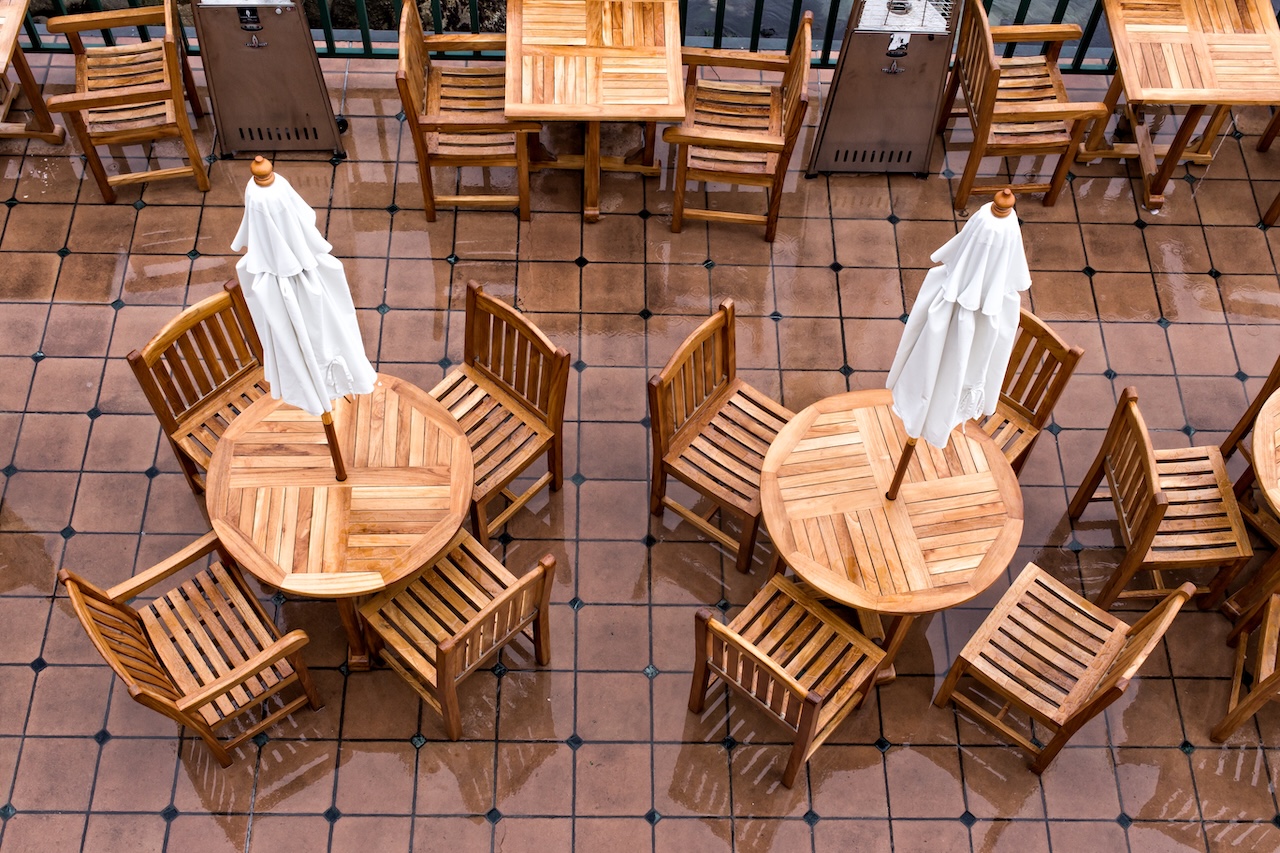
Outdoor furniture and decorations need protection from winter weather too. Store portable items indoors or use weatherproof covers to shield them from snow, ice, and moisture. This prevents wear and rust, extending the life of your furniture and decor.
7. Ensure Proper Drainage
Improper drainage is a common issue that can lead to water pooling on your patio, causing freezing, slipping hazards, or structural damage. Check that your patio properly slopes to direct water away and clear any blocked drains or gutters to ensure snowmelt can flow freely.
8. Use Rugs or Mats in Heavy Traffic Areas
To prevent excessive wear and tear or slipperiness on your patio during the winter, consider placing outdoor rugs or mats in high-traffic areas. These not only protect your surfaces but also provide safer footing for you and your guests.
9. Clean Off Ice Carefully
Ice buildup can cause significant damage to patio surfaces if removed improperly. Instead of chipping away ice with sharp tools, pour warm water or use store-bought de-icing alternatives designed for your patio material. Always prioritize gentle methods to preserve the appearance and function of your hardscaping.
10. Schedule a Spring Inspection
Once winter passes and the snow melts, schedule an inspection of your patio to identify any problem areas that may have developed during the season. Working with a professional can help you address issues early and maintain the integrity of your hardscaping for years to come.
Final Thoughts
Caring for your patio during the winter requires attention to detail, but it’s worth the effort to preserve its aesthetic appeal and structural integrity. Following these 10 maintenance tips will keep your outdoor space protected from winter’s harsh conditions and ensure it’s ready for enjoyment come spring. For expert advice tailored to your specific patio material, consult a hardscaping professional who can recommend the best winter care strategies.