
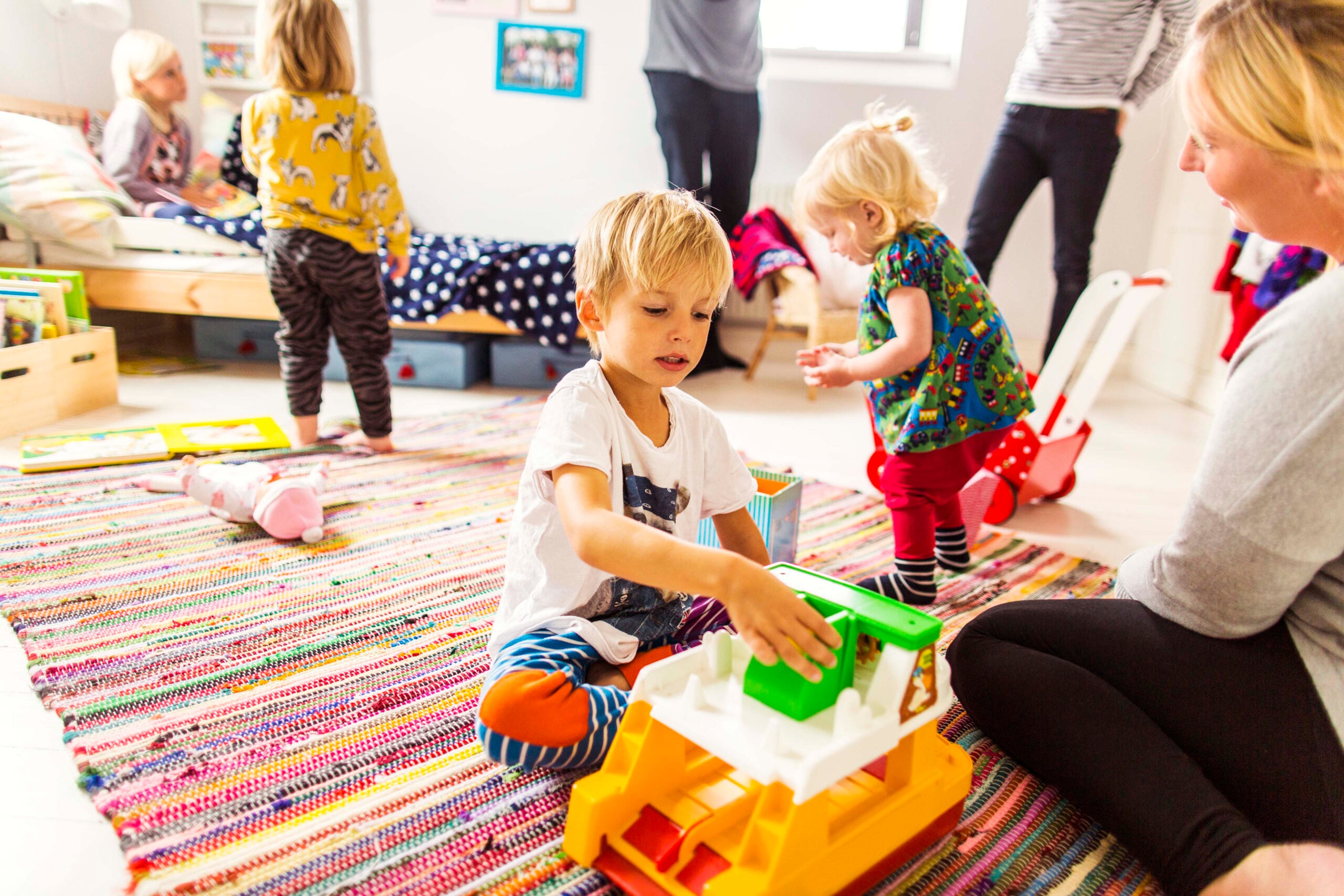
How Daycare Teachers Encourage Language Development in Toddlers
Language development is a cornerstone of a toddler’s growth. It sets the stage for critical thinking, social skills, and academic success. This process doesn’t happen in isolation but is often nurtured by the environment and caretakers surrounding the toddler. Daycare teachers, in particular, play a pivotal role in fostering and enriching language skills in young children. Here’s a comprehensive look at how they create a language-rich environment to help toddlers thrive.
Why Language Development Matters
Language is more than just words and sentences; it’s the foundation of meaningful human interaction. During the toddler years, children’s brains are primed for rapid linguistic acquisition. By the time they’re three, many toddlers can comprehend an impressive amount of vocabulary and begin to form increasingly complex sentences. Encouraging early language development equips children with the tools to communicate their needs, express their feelings, and form connections with those around them.
Creating a Language-Rich Environment
1. Engaging in Constant Conversation
Daycare teachers understand that toddlers learn through interaction. Even during routine activities like snack time or playtime, teachers keep up a continuous flow of engaging conversations. They often describe what they’re doing, use expressive language, or narrate what’s happening around them, providing children with new vocabulary and sentence structures.
2. Reading Aloud Daily
Storytime is a cherished part of the daycare routine and a cornerstone for developing language skills. Books expose toddlers to new words, sentence structures, and ideas in an engaging way. Teachers often choose books with repetition, rhyme, and rhythm, as these elements help toddlers absorb language patterns more readily.
3. Singing Songs and Rhymes
Songs and rhymes are powerful tools for language development because they incorporate rhythm and repetition. Daycare teachers use simple tunes and rhyming patterns that make it easier for toddlers to remember words. Classic nursery rhymes, fingerplays like “Itsy Bitsy Spider”, or even spontaneous songs about daily activities enrich the learning experience by making it enjoyable.
Encouraging Two-Way Communication
One of the most effective methods daycare teachers use is encouraging not just listening, but active participation in conversations. Here are some ways they foster two-way communication:
1. Asking Open-Ended Questions
Teachers avoid yes-or-no questions and instead ask open-ended ones that encourage toddlers to think and respond. For example, instead of asking, “Do you like this toy?”, they might say, “Tell me what you’re building here!” This invites toddlers to describe their creations and process their thoughts aloud.
2. Allowing Time To Respond
Toddlers can take longer to process language and formulate responses, so daycare teachers patiently wait for them to speak. This not only builds confidence in speaking but also shows the child that their thoughts and words are valued.
Integrating Language Into Play
Play is a central part of any daycare setting, and teachers capitalize on this by integrating language into playtime activities such as:
1. Pretend Play and Role-Playing
Pretend play offers an incredible avenue for language practice. Teachers and toddlers can role-play scenarios like running a store, having a tea party, or visiting a doctor. These activities offer a context for exchanging dialogue, using imaginative vocabulary, and practicing social interactions.
2. Introducing New Words During Activities
Whether painting, building blocks, or exploring outdoors, teachers use these moments to introduce descriptive language. For instance, during an art activity, they might use words like squishy, smooth, bright, or patterned to encourage toddlers to think beyond simple terms.
Individual Attention and Support
Every toddler learns at their own pace. Teachers carefully observe each child to tailor their approach to individual language needs. For shy or less verbal toddlers, teachers might use gestures, facial expressions, and repetitive words to invite participation. For children already comfortable with speaking, they challenge them with more complex questions to encourage further expansion of their language skills. This level of personalized attention ensures no child feels left behind in their language journey.
Conclusion
Daycare teachers play an essential role in nurturing language development in toddlers. Through a combination of conversation, reading, singing, play, and personalized attention, they create a supportive and stimulating environment that encourages children to explore language and communication. These early foundations are not just about speaking words; they’re about helping toddlers find their voices and build the confidence to express themselves in the world around them.