
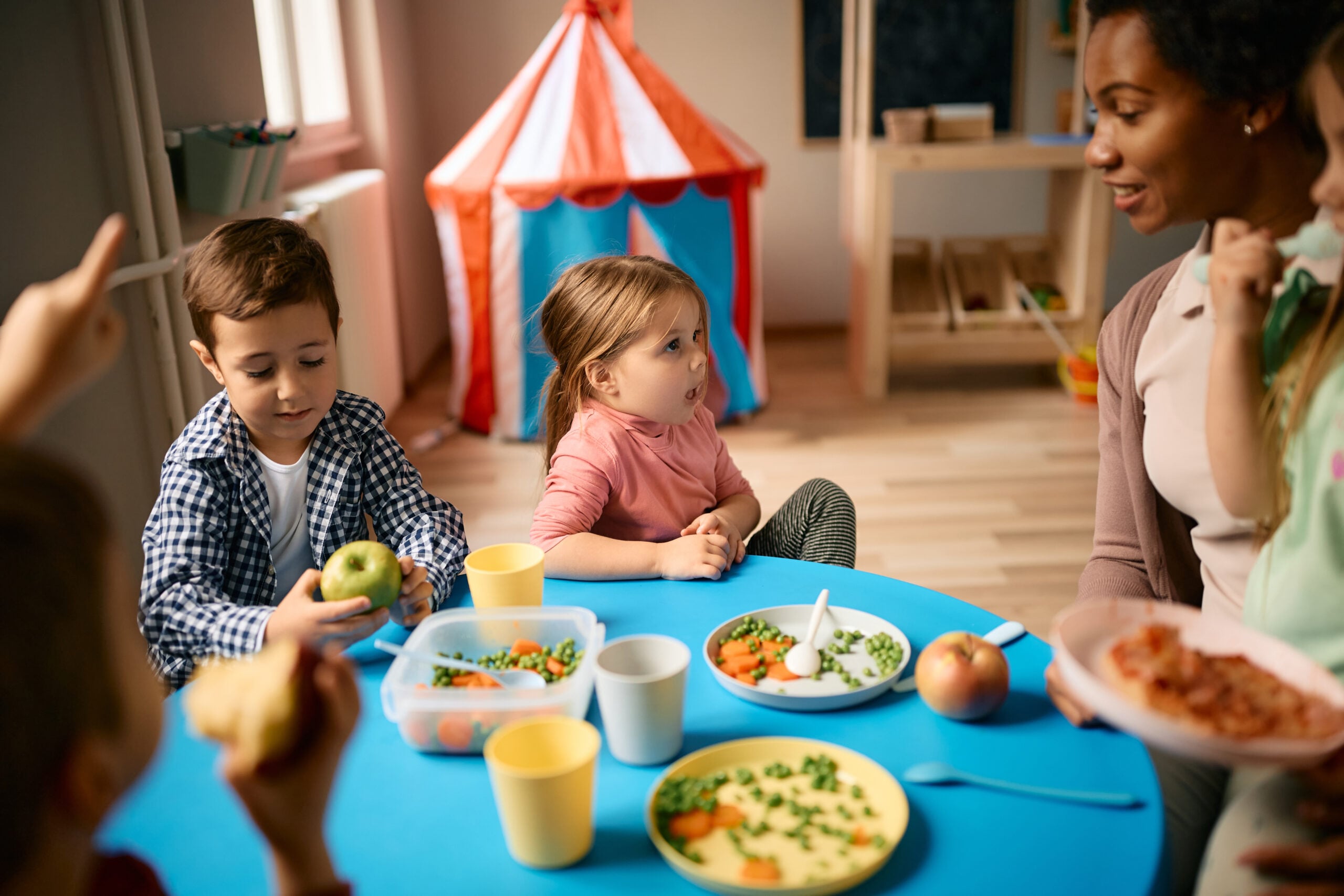
How Parents Can Encourage Positive Relationships with Food
The way a child thinks about food starts at home. Long before they encounter diet culture, social media trends, or school cafeteria pressure, their foundational attitudes toward eating are shaped by the family table. Parents hold real power here — not to control what children eat, but to shape how they feel about eating.
Building a healthy relationship with food isn’t about perfection. It’s about consistency, curiosity, and creating an environment where food is neither a reward nor a punishment.
Start with a Division of Responsibility
One of the most practical frameworks for feeding children is the division of responsibility: parents decide what, when, and where food is offered. Children decide whether and how much they eat.
This approach respects a child’s natural hunger and fullness cues. When parents override those signals — pushing a child to “clean their plate” or restricting snacks out of anxiety — it can disconnect kids from their bodies. Trusting children to self-regulate builds a foundation of body awareness that serves them well into adulthood.
Make Meals a No-Pressure Zone
The dinner table shouldn’t feel like a battleground. Pressure tactics, even well-meaning ones, tend to backfire. Bribing a child with dessert to eat their vegetables actually teaches them that vegetables are something to endure — and dessert is the prize worth having.
Instead, aim for neutral exposure. Offer a variety of foods without fanfare or commentary. If a child pushes something aside, that’s fine. Repeated, low-pressure exposure to new foods is one of the most effective ways to expand a child’s palate over time.
Keeping mealtime conversation relaxed and enjoyable also matters. When meals are associated with connection rather than conflict, children develop a more positive emotional relationship with the act of eating itself.
Talk About Food in a Balanced Way
Language shapes perception. Labeling foods as “bad,” “junk,” or “treats you shouldn’t have too much of” can unintentionally create guilt and obsession around those foods. Children who grow up hearing that certain foods are forbidden often develop a heightened fixation on exactly those items.
A more balanced approach focuses on what food does — it fuels energy, helps the body grow, tastes good, and brings people together. Teaching children about health nutrition in approachable, age-appropriate ways builds genuine curiosity rather than anxiety.
That said, all foods can have a place. Helping children understand that no single food defines a healthy diet removes unnecessary shame from the equation.
Get Kids Involved in Food
Children are far more likely to eat something they’ve had a hand in making. Involving kids in grocery shopping, meal prep, and even simple cooking tasks creates a sense of ownership and curiosity around food.
This doesn’t need to be elaborate. Letting a young child wash vegetables, choose between two healthy options at the store, or stir ingredients in a bowl is enough. These small moments build familiarity with different foods and lay the groundwork for lifelong healthy eating habits.
Model the Behavior You Want to See
Children watch everything. If they observe a parent skipping meals, commenting negatively about their own body, or labeling food as “guilty pleasures,” those messages land — often deeper than any intentional lesson.
Modeling a balanced, relaxed approach to eating is one of the most powerful things a parent can do. Eating a variety of foods with enjoyment, not making a big deal of indulgences, and speaking kindly about your own body all send important signals.
Building a positive relationship with food is a long game. There will be phases of picky eating, strong preferences, and mealtime chaos. What matters most isn’t any single meal — it’s the overall environment you create. Keep it warm, keep it varied, and keep the pressure low.