
Strategic Property Improvements for Long-Term Value Growth
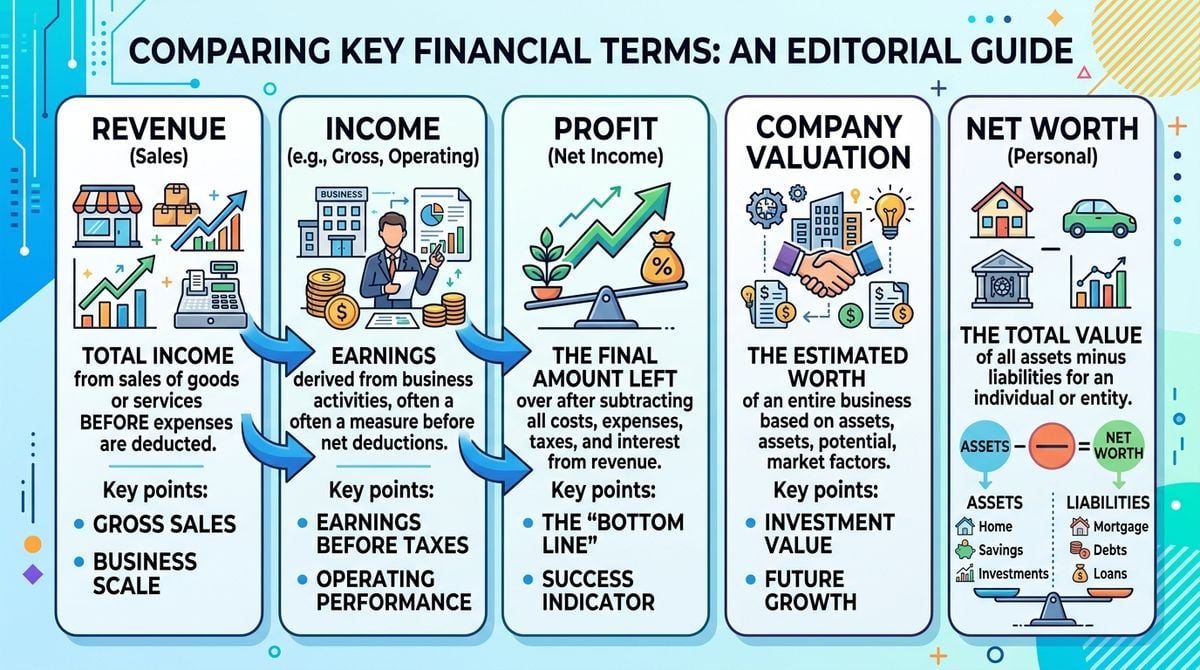
Real estate often serves as the most substantial component of a personal financial portfolio. Viewing a home through the lens of long-term asset management rather than mere consumption changes how owners approach maintenance, renovations, and structural enhancements. The goal is to build a property that sustains its value through changing market conditions while providing functional benefits that improve the quality of daily life.
Understanding Your Property as a Financial Asset
Many homeowners treat their residence primarily as a place of comfort, overlooking its potential as a vehicle for wealth accumulation. Viewing a property as a financial asset requires understanding the difference between capital improvements that add lasting equity and superficial updates that merely reflect temporary aesthetic trends. A property that is well-maintained and structurally sound will always hold more appeal than a property that prioritizes style over substance.
Foundational health determines the long-term viability of any residential investment. Ignoring essential repairs in favor of cosmetic enhancements creates a mismatch between a property’s actual condition and its perceived market value. Sustainable growth in property value typically stems from addressing the core infrastructure, ensuring that the systems within the home remain efficient and reliable for the future.
When considering investments in property, focus on durability. Materials that withstand wear and tear require less frequent replacement, which preserves capital over time. This approach allows owners to maintain their equity by minimizing the recurring costs associated with substandard construction or neglect. Careful stewardship of an asset requires a consistent, proactive strategy rather than reactive repairs performed under duress.
Strategic Planning for Structural Upgrades
Large-scale renovations represent significant capital allocation decisions. The risk inherent in structural projects lies in over-improving a property beyond what the local market can support. Effective planning begins by clearly defining the necessity of the upgrade and its expected contribution to the overall function of the house.
Before committing capital to major construction, homeowners should analyze how a proposed change affects the flow and utility of the space. Understanding the requirements and the potential constraints of a build is vital for managing costs and avoiding delays. For those who are preparing to undertake major structural changes to their property, gathering comprehensive guidance is a necessary step. Seeking expert insight into the process ensures that foundational choices are made with the full understanding of their impact on the integrity of the house, as provided by Designwithdeb.com for those interested in building their own home.
Structural upgrades should aim to improve the long-term utility of the building. This might mean expanding living areas, improving access, or enhancing the energy efficiency of the structure. Each of these improvements should be evaluated against the potential for sustained utility. If a renovation does not clearly improve the functionality of the home for the long term, it is often better to reconsider the scope of the project.
Enhancing Utility and Value Through Maintenance
Not every improvement needs to be a major capital project. In fact, consistent maintenance is often the most reliable way to protect property value. A home that is cared for consistently commands more interest because it signals to future potential buyers that the underlying systems are in good working order.
Effective maintenance includes monitoring the condition of the exterior, the roofing, and the systems that manage climate and water. These are the components that, if neglected, lead to significant loss of value. Small issues that are addressed immediately do not evolve into major liabilities that require massive capital outlays. This disciplined approach to house care is central to preserving the asset.
For homeowners who are committed to getting the most utility out of their living spaces, understanding the nuances of home care is essential. It is helpful to follow tutorials and tips that focus on creating a comfortable, efficient living environment through regular maintenance, such as those found on thehomepicz.com which offers insights into maximizing the potential of your living space.
Aligning Personal Lifestyle with Investment Potential
The intersection of personal needs and investment potential is where the most successful property management occurs. A home must be functional for its inhabitants while remaining desirable for the broader market. This requires a balanced approach to design and layout.
When choosing upgrades, prioritize features that have universal appeal. Open floor plans, efficient kitchen layouts, and modernized bathrooms often provide a stable return. These features are sought after because they improve the daily experience of living in the home while also being generally recognized as valuable by the market. Aligning personal lifestyle preferences with these broader market trends minimizes the risk of spending capital on modifications that others might find limiting.
It is important to avoid the temptation to over-personalize a home to the point of reducing its marketability. While individual expression is part of the pleasure of ownership, radical changes that are difficult to undo can negatively impact the future value of the asset. Maintaining a balance between personal utility and general appeal ensures that the property remains a flexible financial asset.
Assessing the Return on Long-Term Living Costs
Total cost of ownership extends beyond the mortgage and basic utilities. It includes the ongoing expense of maintaining a lifestyle that supports your capacity to manage your household effectively. A key part of financial management is recognizing that personal wellness is a factor in maintaining the efficiency of your home management efforts.
The effort required to look after a property is significant. Staying physically prepared to handle the tasks associated with home stewardship is a practical strategy for avoiding expensive service calls for minor chores. Maintaining your own health while controlling expenses is a smart way to protect your financial stability. Utilizing an essential workout recovery for your budget is a prudent way to ensure you remain active and capable, which in turn helps you keep your property in top condition without the need for excessive spending.
This perspective shifts the focus from managing the home as an isolated entity to managing the household as a integrated financial ecosystem where the health of the inhabitant directly supports the health of the property.
Balancing Immediate Enjoyment with Future Equity
The final consideration is balancing the immediate desire for enjoyment with the need to build lasting equity. This requires setting priorities and ensuring that capital is directed toward the most impactful areas. Decisions should be guided by a clear understanding of your financial objectives and the long-term goals for your property.
Consider these strategies for balancing your financial goals with your living space requirements:
- Prioritize structural integrity over cosmetic updates to ensure long-term stability.
- Focus on utility improvements that enhance the daily usability of the house for you and future owners.
- Maintain a consistent schedule of routine upkeep to prevent deferred maintenance costs.
- Research the long-term impact of any significant changes before committing capital.
Maintaining a disciplined perspective allows you to enjoy the benefits of your home while ensuring it remains a robust financial asset. A thoughtful, planned approach to property management protects your investment, providing both the comfort you seek today and the financial flexibility you desire for the future.