
Rising from the Ashes: A Homeowner’s Guide to Fire Damage Restoration
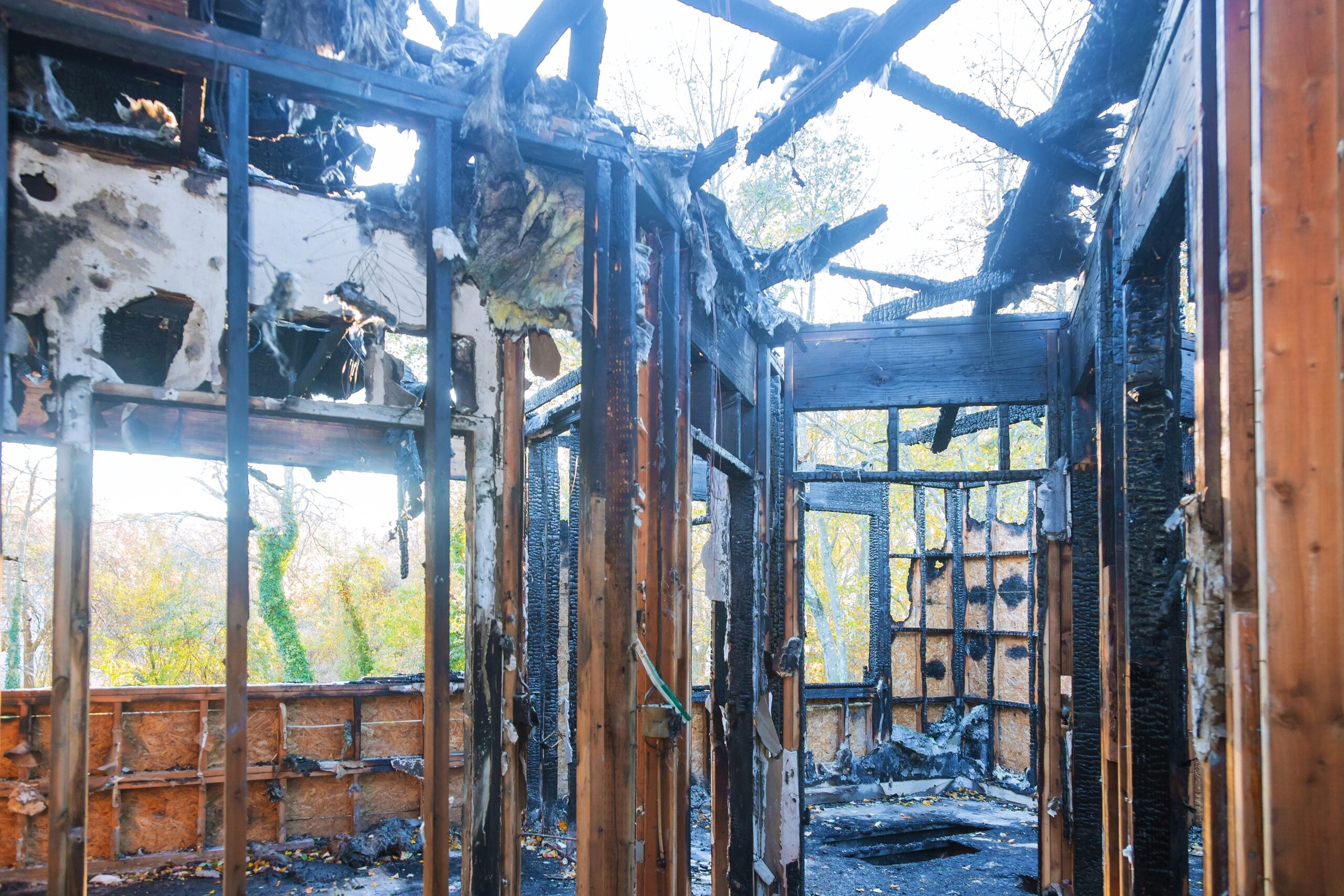
A house fire is one of the most devastating events a homeowner can experience. Even after the flames are out, the damage continues — smoke seeps into walls, soot settles on every surface, and water from firefighting efforts soaks into floors and ceilings. Knowing what to do next can feel overwhelming, but having a clear plan makes all the difference.
Step 1: Prioritize Safety First
Before you re-enter your home, wait for the all-clear from fire officials. Structural damage isn’t always visible, and compromised walls or ceilings can collapse without warning. Smoke and soot also contain toxic chemicals that remain hazardous long after the fire is extinguished.
Once you’re cleared to enter:
- Wear protective gear — gloves, an N95 mask, and goggles
- Avoid using electrical systems until they’ve been inspected
- Document everything with photos and video before touching anything
Step 2: Contact Your Insurance Company Immediately
Time is critical here. Notify your insurer as soon as possible to begin the claims process. They’ll send an adjuster to assess the damage, so resist the urge to start cleaning or throwing things away before that inspection occurs.
Keep all receipts for temporary housing, meals, and emergency expenses. Most homeowner policies cover additional living expenses during the restoration period — but only if you can prove what you spent.
Step 3: Secure the Property
Broken windows, open doorways, and damaged roofing leave your home exposed to weather, animals, and theft. Board up entry points and cover roof damage with heavy-duty tarps. Many fire restoration companies offer emergency board-up services and can mobilize quickly after a loss.
This step also matters for your insurance claim — failing to prevent further damage could reduce your payout.
Step 4: Hire a Professional Restoration Company
Fire damage restoration is not a DIY project. Smoke and soot penetrate deep into porous materials like drywall, insulation, and wood framing. Improper cleaning doesn’t just miss the damage — it can spread contaminants further.
A certified restoration contractor will:
- Assess structural integrity
- Remove damaged materials safely
- Use industrial-grade equipment to eliminate smoke odor
- Treat affected surfaces with specialized cleaning agents
- Restore or replace flooring, walls, and ceilings
Look for contractors certified by the Institute of Inspection Cleaning and Restoration Certification (IICRC). These professionals follow industry standards and are trained for exactly these situations.
Step 5: Address Smoke and Odor
Smoke odor is notoriously stubborn. It binds to fabrics, furniture, HVAC systems, and even the framing of your home. Professional restoration teams use techniques like thermal fogging, ozone treatment, and hydroxyl generators to neutralize odor at a molecular level — not just mask it.
Your HVAC system deserves special attention. If smoke circulated through the ductwork, the system needs a thorough cleaning before you run it again — otherwise, you’ll keep redistributing contaminants throughout the home.
Step 6: Think About What Comes Next
Once the restoration is complete, take it as an opportunity to make your home safer going forward. Install interconnected smoke detectors on every level, check your fire extinguisher placement, and review your family’s evacuation plan.
Also revisit your insurance policy. Many homeowners discover gaps in coverage only after a loss — so understanding what you have (and what you don’t) before the next emergency is time well spent.
Recovering from a house fire is hard. But with the right team, the right process, and a clear head, rebuilding is absolutely possible. One step at a time, you can bring your home — and your life — back together.