
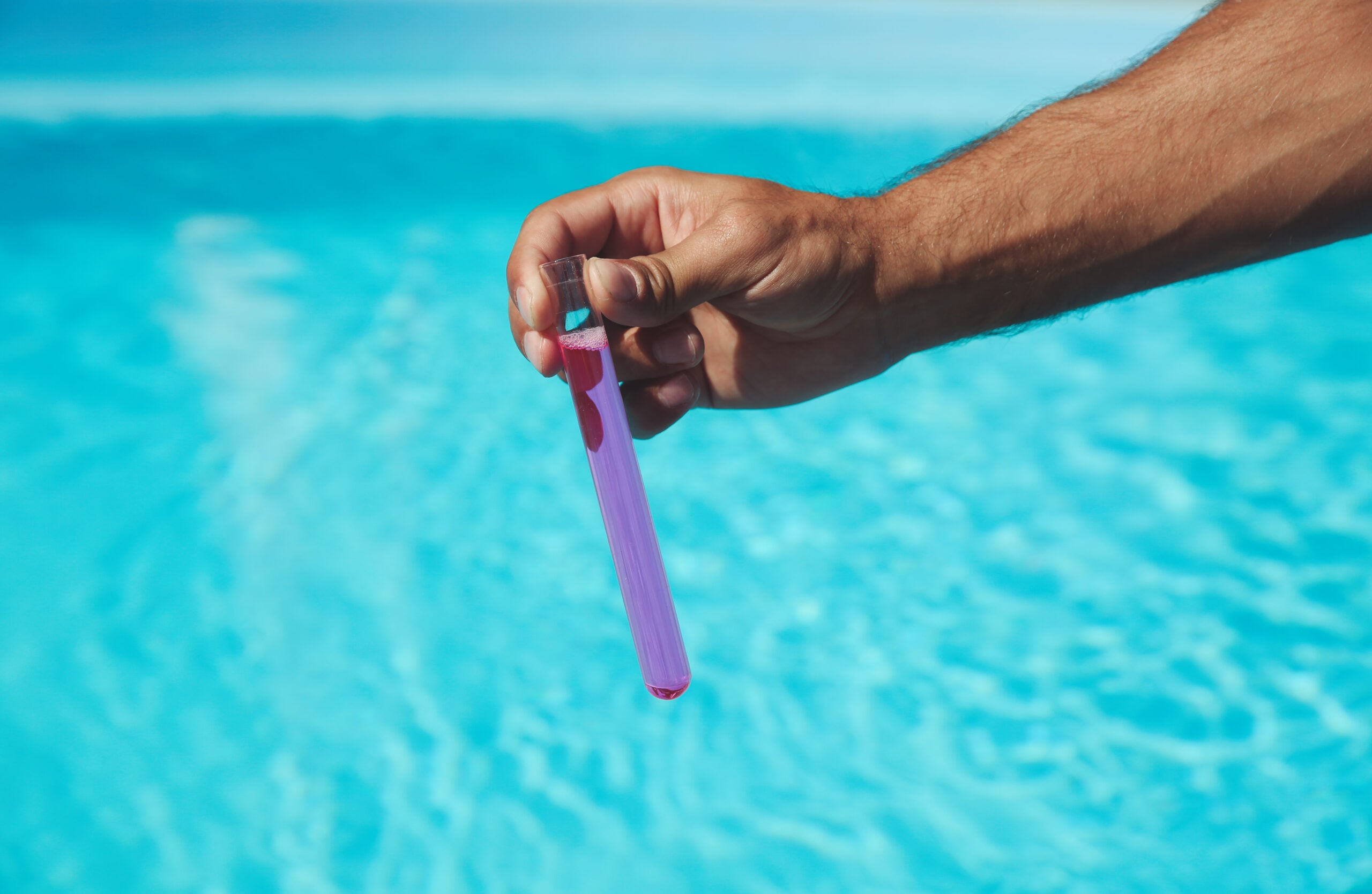
Weekly Pool Chemistry: Testing and Balancing Your Water
A sparkling pool is more than just a visual win—it’s a sign that your water chemistry is doing its job. Skipping your weekly testing routine might not show consequences right away, but cloudy water, algae blooms, or skin irritation have a way of showing up right when you least expect them. Building a consistent testing and balancing habit is the single most effective thing you can do to protect your pool, your equipment, and everyone who swims in it.
Why Weekly Testing Matters
Pool water is constantly changing. Sunlight, rainfall, bather load, and even the changing seasons all affect the chemical makeup of your water. What was perfectly balanced last week could be off today. Regular testing lets you catch small shifts before they turn into bigger problems, like scale buildup on tile and equipment, corrosion of metal components, or cloudy water that takes days to clear.
Think of testing as preventive maintenance rather than a chore. A quick check once a week gives you the information you need to make small adjustments instead of major corrections. It’s the difference between adding a small dose of chemical and draining part of your pool to fix a chemistry crisis.
The Core Numbers to Track
While there are several chemical properties that affect water quality, a few key numbers deserve your attention every week.
Free Chlorine (or Bromine) is your primary sanitizer and the first line of defense against bacteria and algae. Without adequate sanitizer levels, your pool becomes a breeding ground for contaminants, regardless of how clear the water looks.
pH determines how comfortable your water feels and how effectively your sanitizer works. Water that’s too acidic can irritate eyes and skin and corrode equipment, while water that’s too basic reduces sanitizer effectiveness and can cause cloudiness.
Total Alkalinity acts as a buffer for pH, keeping it from swinging wildly in response to bather load, rain, or added chemicals. Low alkalinity leads to unstable pH, while high alkalinity can make water cloudy and reduce chlorine’s effectiveness.
Calcium Hardness affects both the water’s feel and its impact on your pool surfaces and equipment. Too little calcium can cause surfaces to erode; too much leads to scale buildup.
Cyanuric Acid, if you use chlorine, protects your sanitizer from breaking down in sunlight. Too little means your chlorine burns off quickly; too much can reduce chlorine’s effectiveness even when levels appear adequate.
Building a Testing Routine
Consistency turns testing from a guessing game into a reliable system. Choose one or two days a week to test, ideally at the same time of day, since sunlight and temperature can influence readings. Test strips offer a fast, simple option for routine checks, while liquid test kits generally provide more precise results for chlorine and pH. Many pool owners use test strips for quick weekly checks and a liquid kit for more thorough monthly assessments.
Always collect your water sample from elbow-depth, away from return jets or skimmers, to get an accurate reading of the water your swimmers actually experience. Avoid testing right after adding chemicals or right after heavy use, since these moments can produce skewed results that don’t reflect your pool’s typical state.
Making Adjustments Without Overcorrecting
Once you have your readings, resist the urge to fix everything at once. Chemical levels interact with one another, so adjusting one can shift another. Alkalinity should typically be addressed first, since it stabilizes pH. From there, adjust pH, then sanitizer levels, then calcium hardness if needed.
Add chemicals gradually and retest before making further adjustments. Overcorrecting is one of the most common mistakes pool owners make, and it often leads to a frustrating cycle of chasing balanced water rather than maintaining it.
When to Call in a Professional
Even with a solid routine, some situations call for expert input. Persistent imbalances, recurring algae, or equipment issues that affect water quality are worth discussing with a pool builder or service professional. They can identify underlying causes, such as circulation problems or equipment malfunctions, that testing alone won’t reveal.
A knowledgeable pool builder can also help you understand the unique characteristics of your specific pool, from surface material to filtration system, and how these factors influence your ideal chemical balance.
Consistency Is the Real Secret
There’s no single trick to perfect pool water. It comes down to showing up week after week, testing consistently, and making thoughtful adjustments based on what the numbers tell you. Over time, this rhythm becomes second nature, and the payoff is a pool that’s inviting, safe, and far less prone to costly surprises.