
Reshoring and the Independent Inventor: Manufacturing Comes Home
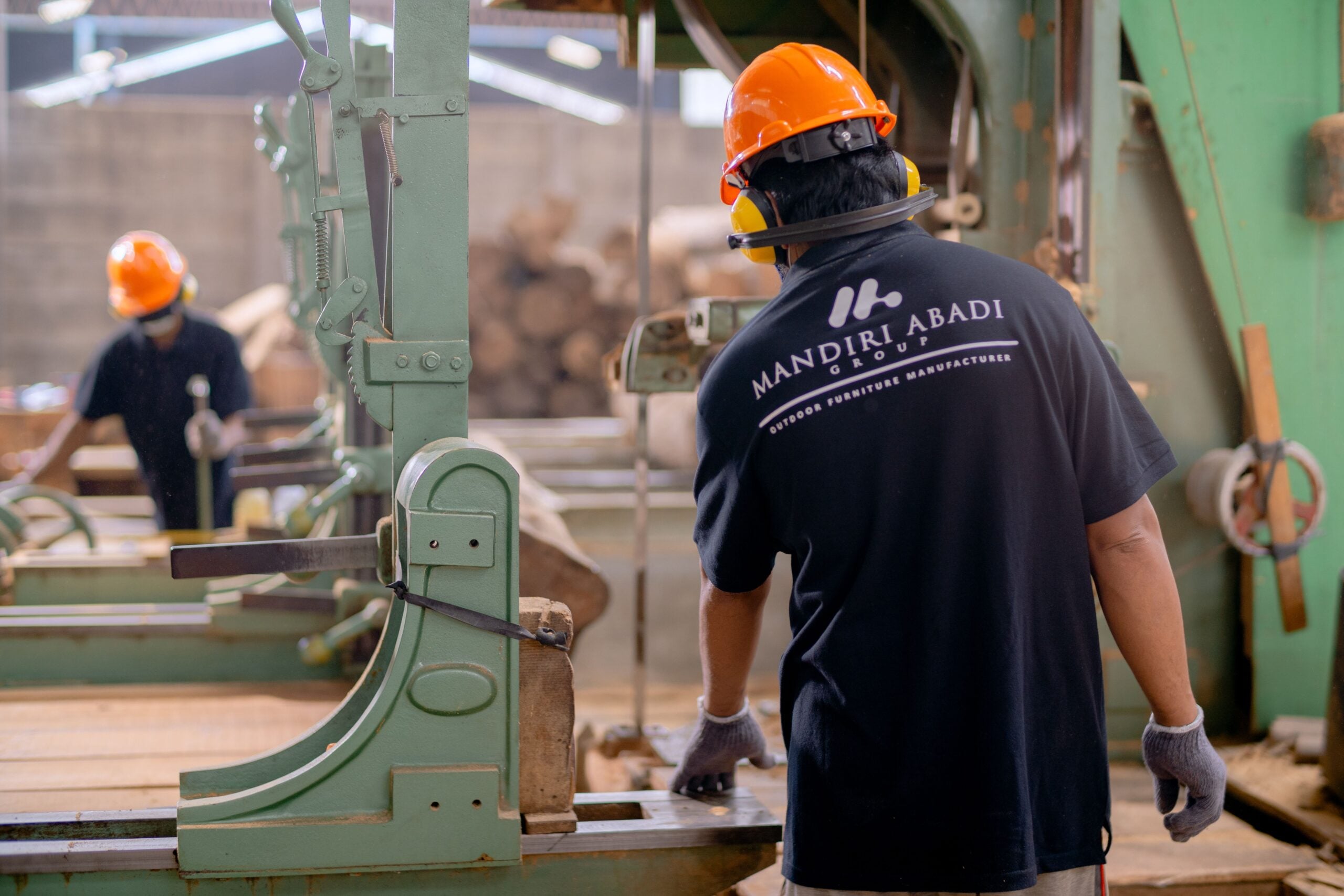
Reshoring, the return of manufacturing to the United States, is changing the math for independent inventors. When the factory that could build a product sits a few states away rather than across an ocean, the barriers that once stopped small inventors, long lead times, high minimum orders, and communication gaps, get smaller. For the person with one good idea and no supply chain, domestic manufacturing is becoming a realistic option rather than a distant one.
Why proximity changes the equation
Distance has always been the hidden cost of overseas production. A design change that takes a week to confirm with a nearby shop can take a month with a factory twelve time zones away. Shipping adds cost and delay. Quality problems are harder to catch and slower to fix. For a large company ordering hundreds of thousands of units, those frictions are worth absorbing for a lower unit price. For an independent inventor testing a first product run, they can be fatal.
As more manufacturing capacity returns to American soil, inventors gain access to shops that answer email in the same time zone, accept smaller orders, and let the inventor visit the floor. That access shortens the distance between a finished design and a product a buyer can hold.
The small-firm innovation engine
Independent inventors and small firms are a larger part of American innovation than their size suggests. The Small Business Administration’s Office of Advocacy has reported that small businesses produce a disproportionate share of patents relative to their workforce, generating far more patents per employee than large firms. The SBA’s research on this pattern is summarized across its business guidance, and it underscores why a manufacturing base that welcomes small orders matters. The ideas are already coming from small players. The question has been whether they could get anything built.
What reshoring does not solve
A closer factory does not remove the design work that has to happen first. A shop needs a manufacturable design, one where the geometry, materials, and tolerances are defined well enough to tool and produce. Sending a factory a rough sketch and hoping it fills in the gaps is how inventors lose money. The design has to be production-ready before manufacturing location matters at all.
This is the stage where an integrated approach pays off. Enhance Innovations, a product development firm founded in 2010 in Champlin, Minnesota, works virtual-first, producing photorealistic renderings, a computer-aided design model, and engineering detail that a manufacturer can quote from directly. By keeping design, engineering, marketing, and licensing under one roof, the firm hands a manufacturer a complete package rather than a concept that still needs interpretation. Minnesota’s own manufacturing depth, rooted in decades of medical device and consumer product production, gives inventors in the region a dense network of shops to work with.
Design for manufacturability comes first
The discipline that connects a good idea to a buildable product is design for manufacturability. It means shaping a design around how it will actually be produced, whether that is injection molding, machining, or another process. A part that looks fine on screen can be impossible to mold, or expensive to machine, if no one thought about draft angles, wall thickness, or how the tool opens.
Why this matters more as factories return
A nearby manufacturer is easier to talk to, but it will still reject a design that cannot be made efficiently. Reshoring lowers the communication cost of fixing those problems, but the problems still have to be solved. Inventors who arrive with a manufacturable design skip the back-and-forth that eats budgets. Those who arrive with a wish list discover that a friendly domestic shop is still a business that needs a real drawing to build from.
A practical sequence
The order that works has not changed, even as the map has. Confirm the idea is new through a prior-art search, using resources such as the USPTO patent search tools. Protect it. Develop a manufacturable design with renderings and CAD. Then approach manufacturers, now with the advantage that many of them are close enough to build a working relationship. Reshoring improves the last step. It rewards inventors who did the first ones properly.
The opportunity, stated plainly
Manufacturing coming home is good news for the independent inventor, because it removes friction that used to favor only large buyers. Shorter lead times, smaller minimums, and real conversations with the people building a product make domestic production accessible in a way it has not been for years. The inventors who gain the most are the ones who show up with a design that is ready to build, because a closer factory rewards preparation and still punishes guesswork.